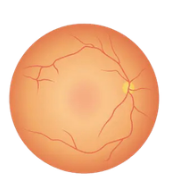
Diabetic retinopathy is a common eye condition that affects people with diabetes. Over time, high blood sugar levels can damage the blood vessels in the retina, potentially leading to vision problems and vision loss. Approximately 40 to 45 percent of people with diabetes have some stage of diabetic retinopathy.
There are four stages of the disease:
Stage 1 – Mild nonproliferative retinopathy is the earliest stage. At this stage microaneurysms (small balloon-like swellings) occur in the retina’s blood vessels.
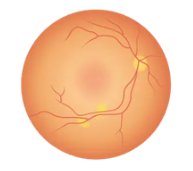
Stage 2 – Moderate nonproliferative retinopathy. At this stage some of the retina’s blood vessels become blocked.
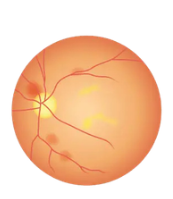
Stage 3 – Severe nonproliferative retinopathy. At this stage many of the retina’s blood vessels become blocked, deprive the retina of its necessary blood supply, and cause the development and growth of new blood vessels.

Stage 4 – Proliferative retinopathy is an advanced stage of the disease. As new retinal blood vessels develop and grow abnormally, their fragile walls may leak blood and cause severe vision loss.
Untreated diabetic retinopathy can lead to vision loss in two primary ways. First, abnormal blood vessels can develop and bleed inside the eye, causing vision to become blurred or obscured. Second, fluid can leak into the macula, the area responsible for sharp central vision, causing swelling and blurred vision.