Diabetes is a condition that prevents the body from properly using and storing sugar, leading to high levels of glucose circulating in the bloodstream. Over time, elevated blood sugar can cause serious health complications and damage organs throughout the body including your precious eyes.
At Fort Lauderdale Eye Institute, we are committed to helping patients with diabetes protect their vision through early detection, education, and advanced treatment options.
What Is Diabetic Retinopathy?
Diabetic retinopathy is one of the most common and serious eye conditions related to diabetes. It occurs when high blood sugar damages the tiny blood vessels in the retina, the light-sensitive tissue at the back of the eye responsible for clear vision
As the condition progresses:
- Blood vessels can leak blood and fluids
- The retinal tissue may swell
- Vision may become cloudy or blurred (often in both eyes)
If left untreated, diabetic retinopathy can threaten your sight and may even lead to blindness.
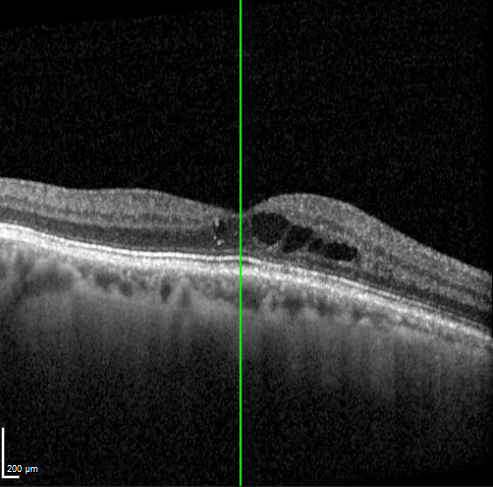
photo shows: This Optical Coherence Tomography (OCT) scan shows retinal changes associated with diabetic retinopathy. It reveals retinal thickening and multiple dark intraretinal spaces, indicating fluid accumulation from leaking blood vessels
Managing Diabetes Helps Protect Your Vision
The good news is that when diabetes is properly diagnosed, monitored, and treated, blood sugar levels can be controlled. Many patients notice that blurry distance vision improves once their glucose levels stabilize. More importantly; maintaining healthy blood sugar levels can significantly slow the onset and progression of diabetic retinopathy.
Proper management includes:
- Taking prescribed medications as directed
- Following your physician's diet recommendations
- Maintaining a consistent exercise routine
- Avoiding tobacco and limiting alcohol consumption
Why Annual Eye Exams Are Essential for Diabetic Patients
In its early stages, diabetic retinopathy often develops with few or no noticeable symptoms. Without yearly monitoring, patients can go undiagnosed for years. By the time symptoms appear, the disease may already be advanced, limiting treatment options.
Symptoms can include:
- Spots or floaters
- Blurred vision
- A dark or empty area in the center of vision
- Difficulty seeing at night
While some of these symptoms may be harmless in people without diabetes, they should never be ignored by diabetic patients. Annual dilated exams allow us to detect changes early when treatment is most effective.
Treatment Options for Diabetic Retinopathy
Treatment depends on the severity of the condition and may include:
- Laser treatment to seal leaking blood vessels or prevent additional leakage
- Eye injections to reduce inflammation and stop abnormal blood vessel growth
- Vitrectomy surgery to remove and replace the gel-like vitreous fluid in the back of the eye
- Retinal detachment repair surgery when necessary
If you have diabetes, annual comprehensive eye exams are essential.
At Fort Lauderdale Eye Institute, we are here to monitor your eye health and provide advanced care tailored to your needs.