Glaucoma is one of the leading causes of vision loss worldwide, yet many patients are unaware they have it until permanent damage has already occurred. Often called the “silent thief of sight,” glaucoma damages the optic nerve, the structure that sends visual information from your eye to your brain.
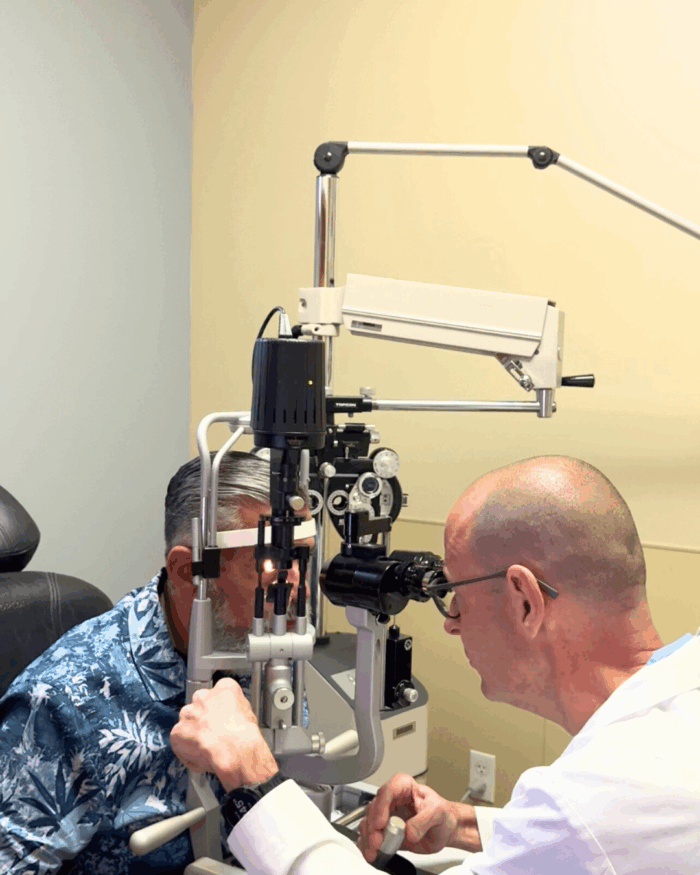
People who are at risk for glaucoma often share certain factors that make the condition more likely to develop. These factors may increase the chances of optic nerve damage and lead to future vision problems if not addressed early. An ophthalmologist can evaluate your eye health, identify risk factors, and determine whether you may be at risk for this condition or require further treatment.
Some of the most common risk factors that may contribute to glaucoma include: unusual drainage angles (open-angle or angle-closure), visual field changes linked to glaucoma, elevated eye pressure, a family history of the disease, diabetes, and increasing age.
At Fort Lauderdale Eye Institute, our specialists are dedicated to protecting your sight through personalized glaucoma care. Regular comprehensive exams allow us to identify risk factors, track eye pressure changes, and monitor subtle optic nerve changes over time.
If you have a family history of glaucoma, unusual optic nerve findings, or simply want to ensure you’re protecting your vision, schedule a comprehensive eye exam today.