If you experience dry, burning, irritated, watery, or fatigued eyes, you may be suffering from Meibomian Gland Dysfunction (MGD), one of the leading causes of chronic dry eye disease.
At Fort Lauderdale Eye Institute, we offer Intense Pulsed Light (IPL) therapy, an advanced in-office treatment designed to reduce inflammation and improve meibomian gland function. Unlike artificial tears that temporarily relieve symptoms, IPL targets one of the underlying causes of chronic dry eye.
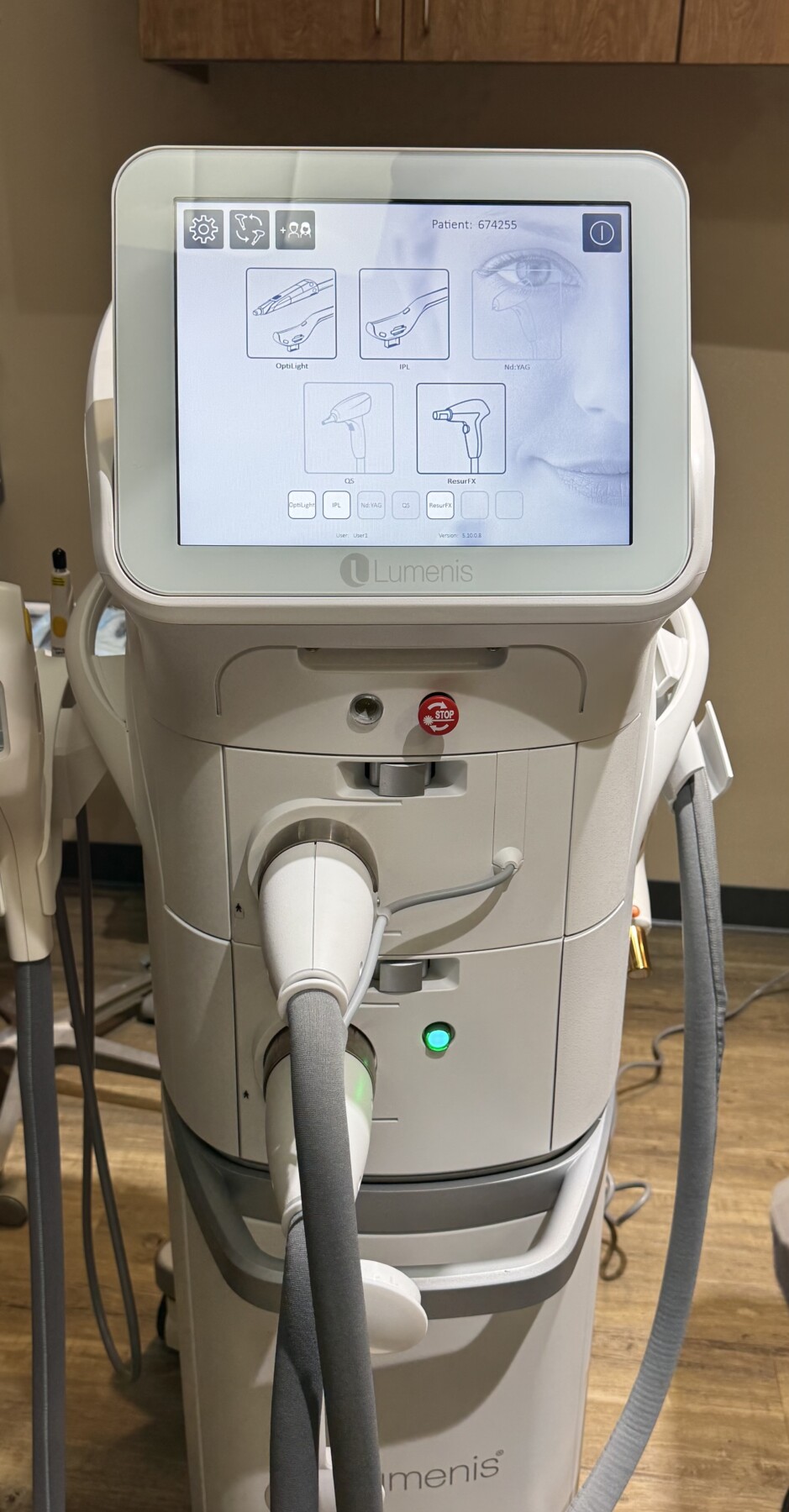
What Is IPL Therapy?
IPL, or Intense Pulsed Light therapy, is a non-invasive treatment used to manage dry eye associated with MGD and ocular rosacea. Gentle pulses of light are applied beneath the eyes to reduce inflammation, improve oil gland function, and stabilize the tear film.
IPL may help improve symptoms such as:
- Burning or stinging eyes
- Red or irritated eyes
- Fluctuating vision
- Excessive tearing
- Eyelid inflammation
- Contact lens discomfort
How IPL Helps Dry Eye
Healthy meibomian glands produce oils that prevent tears from evaporating too quickly. When these glands become blocked or inflamed, dry eye symptoms can develop.
IPL therapy helps by:
- Reducing inflammation
- Improving meibomian gland function
- Melting thickened oils block the glands
- Improving tear film stability
Many patients experience improved comfort and reduced dependence on artificial tears after treatment.
What to Expect
IPL is a quick in-office procedure that typically takes about 15–20 minutes. Protective eye shields are placed over the eyes while pulses of light are applied beneath the lower eyelids.
Meibomian gland expression may also be performed during treatment. During this procedure, small “paddles” are used to gently compress the lower eyelid and express the contents of the meibomian glands.
Most patients experience minimal discomfort and little to no downtime.
You may experience some redness and discomfort in the treated areas, but this usually resolves within a few hours. Most patients can resume their normal daily activities the same day. Sun exposure should be avoided for a few days following treatment, and sunscreen should be used.
For optimal results, a series of 5 sessions is typically recommended, spaced 3–4 weeks apart. Maintenance treatments, usually every 6–12 months, are also recommended to support long-term results.