Ophthalmology has always been at the forefront of adopting innovative technologies to improve patient care. In recent years, the field has experienced rapid advances that are reshaping how eye conditions are detected, treated, and managed. From improved surgical outcomes to patient-friendly digital care, these changes are creating a new standard for eye health.
Telemedicine and Remote Care
Teleophthalmology has become an essential part of modern care, allowing patients to connect with their ophthalmologist via secure digital platforms. Virtual consultations are particularly valuable for monitoring chronic conditions, providing follow-up care, and reducing the need for travel.
Breakthroughs in Clinical Research
Active research in treatments for age-related macular degeneration, glaucoma, and diabetic retinopathy continues to expand treatment options. New drug delivery methods, such as sustained-release implants, are minimizing patient burden by reducing the frequency of injections while preserving effective results.
Personalized Treatment Plans
Ophthalmology is moving toward more individualized care. Genetic testing, advanced biometric measurements, and AI-driven risk assessments enable the tailoring of treatment strategies to each patient’s unique anatomy, lifestyle, and disease progression. This approach enhances precision and long-term success rates.
Advancements in Cataract and Refractive Surgery
Laser-assisted cataract surgery, premium intraocular lenses, and refinements in LASIK and other refractive procedures have greatly improved surgical accuracy and patient satisfaction. Patients now benefit from tailored vision correction solutions that reduce dependence on glasses and allow for faster recovery.
Precision Imaging and Diagnosis
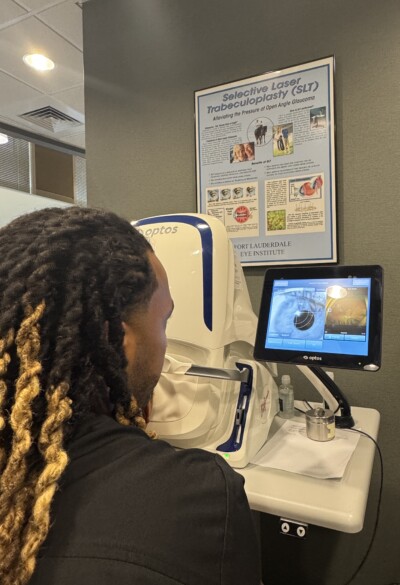
High-resolution OCT imaging, wide field retinal photography, and AI-enhanced diagnostics provide unprecedented detail, enabling clinicians to detect changes earlier and track disease progression with unmatched accuracy. Efficient imaging systems also streamline exams, ensuring patients receive clear answers in a shorter period of time.
The Role of AI in Ophthalmology
Perhaps the most disruptive change is the integration of artificial intelligence into clinical decision-making. AI does not replace the surgeon or clinician but enhances their capabilities by analyzing large volumes of data to support informed treatment choices. This collaborative use of technology strengthens diagnostic confidence, ensures more personalized care, and redefines the way ophthalmologists and patients interact.
At Fort Lauderdale Eye Institute, we embrace these advancements to deliver precise, compassionate, and forward-thinking ophthalmic care. Our goal is to help patients protect and restore their vision in a rapidly evolving field.