
Macular Degeneration (AMD) is a progressive eye disease that affects the macula, the central part of the retina responsible for sharp, detailed vision. The risk of developing AMD increases with age, especially in individuals over the age of 55. Other significant risk factors include a history of smoking and genetics.
While many people have heard of macular degeneration, fewer are aware of one of its advanced forms: Geographic Atrophy (GA). This condition is a late-stage manifestation of AMD and is particularly concerning because it progresses slowly and silently, yet can result in permanent central vision loss.
What is Geographic Atrophy?
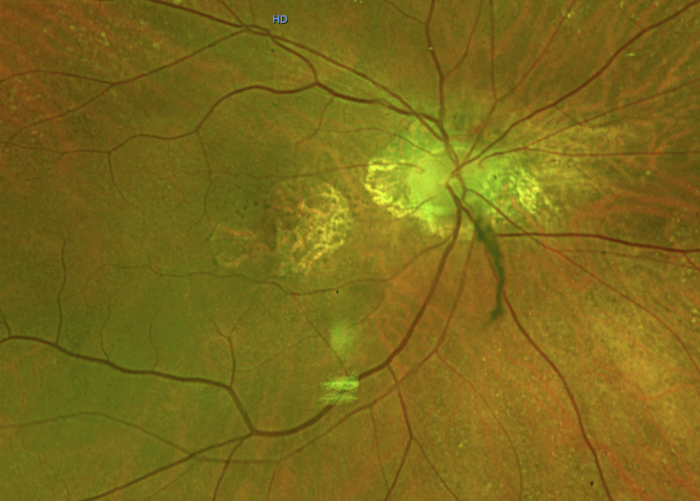
Geographic Atrophy causes the gradual breakdown of the macula, leading to blind spots in the central vision. This makes everyday visual tasks increasingly difficult. Reading, recognizing faces, watching television, using a computer, or driving can become major challenges.
Despite the impact of GA on visual function and quality of life, there are effective ways to adapt and maintain independence. Here are some essential coping strategies and resources for those living with GA:
Coping Strategies and Support for Geographic Atrophy
- Seek Low-Vision Rehabilitation Early
Engage with a low-vision specialist as soon as possible. These professionals can help you maximize the use of your remaining vision, adapt your daily activities, and preserve your lifestyle and independence.
2. Make Your Home Vision-Friendly
Safety and accessibility are key. Remove clutter, loose wires, and tripping hazards. Consider installing grab bars, shower benches, and non-slip surfaces. Tools such as home monitoring systems, paging devices, or GPS phone trackers can also enhance safety and peace of mind.
3. Explore Accessible Transportation Options
Losing the ability to drive can feel limiting, but many communities offer transportation services for individuals with vision impairments. Alternatively, coordinating regular rides with family or friends can help maintain your mobility and social connections.
4. Stay Active and Connected
Maintaining physical activity and community involvement is vital. Guard your mental health by staying engaged in social activities and reaching out for emotional or practical support when needed.
5. Keep Informed About New Treatments
The field of ophthalmology is constantly evolving. Staying informed about the latest research, clinical trials, and emerging treatments for Geographic Atrophy can open new doors for care and management.
At Fort Lauderdale Eye Institute, we believe education is a powerful tool in preserving vision and quality of life. Geographic Atrophy may be challenging, but patients can continue leading fulfilling lives with the right support, adaptations, and proactive care. If you or a loved one has been diagnosed with AMD or Geographic Atrophy (Advanced Macular Degeneration), we encourage you to contact our retina specialists to explore your options and build a personalized care plan.